







Boon Boona Coffee
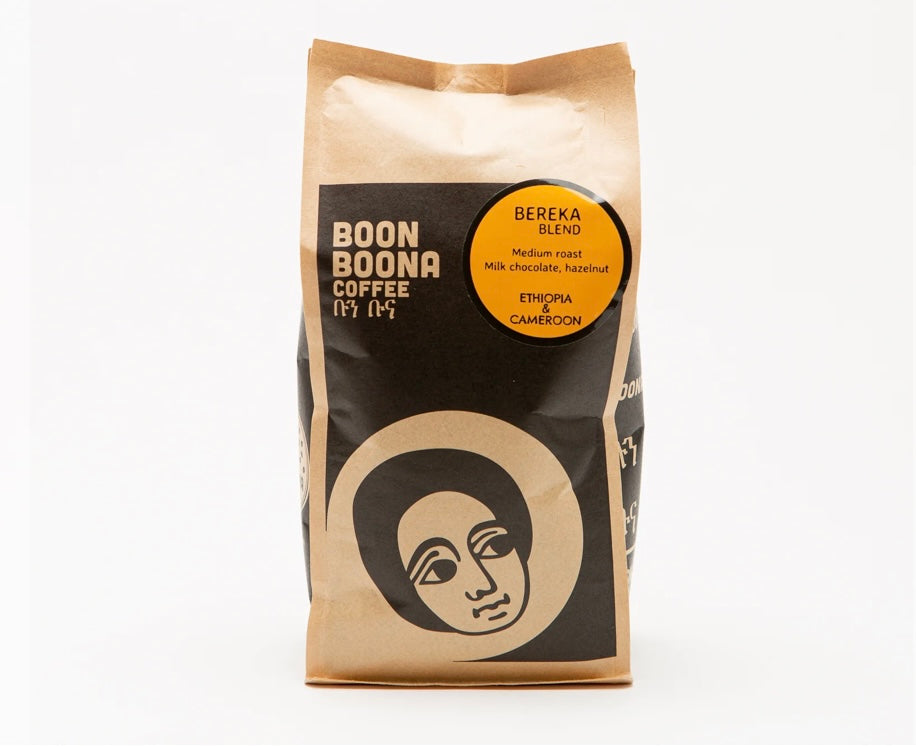
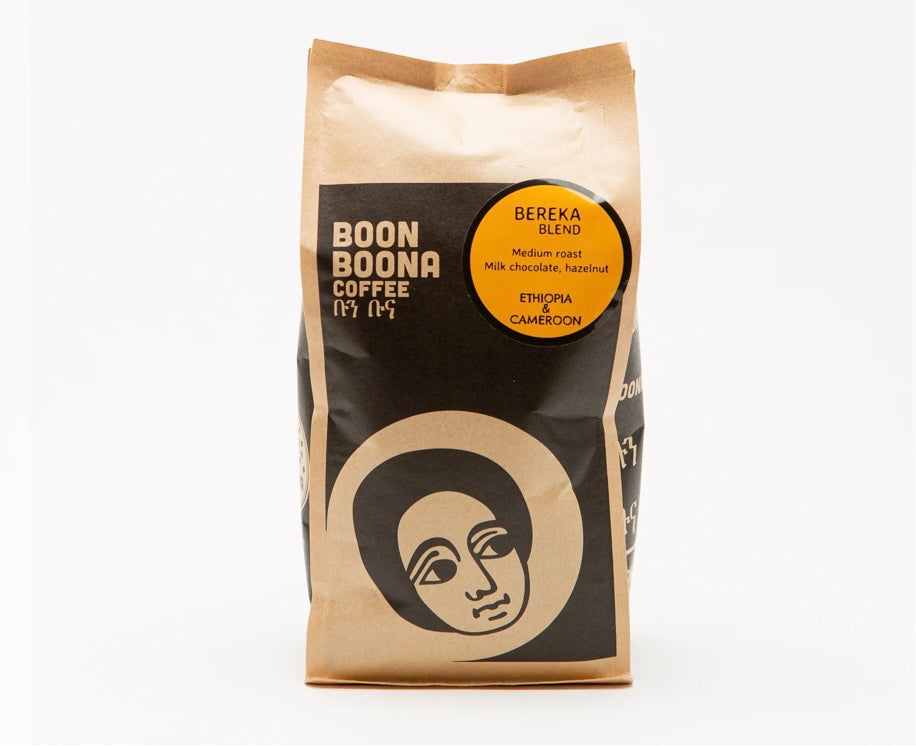
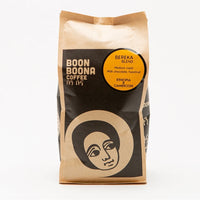
BEREKA (Medium Blend)
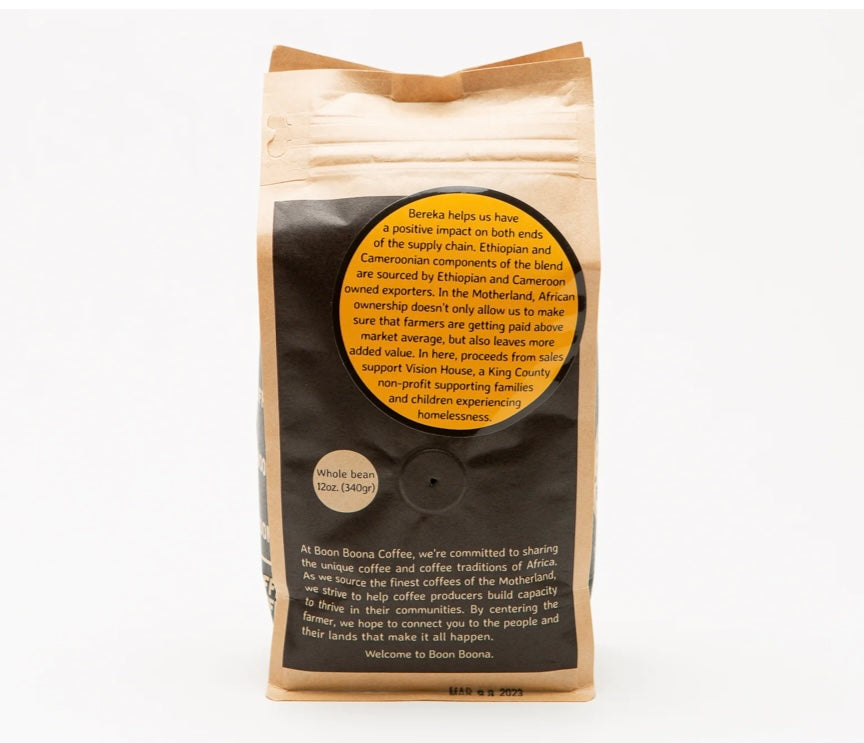
Bereka is our medium roast blend curated with organic-certified beans from Ethiopia and Cameroon that support sustainable agriculture and healthy food systems. Bereka is an important art of the East African coffee ceremony that is associated with creating strong and warm social ties. We roasted the blend to represent this kind of connection with our community.
Bereka has notes of warm baking spices like cinnamon as well as a welcoming cane sugar sweetness with a creamy body. Bereka makes great espresso and cold brew. It is also at home with manual pour-over methods and immersion methods like french press. Choose your adventure!
What does “Bereka” mean?
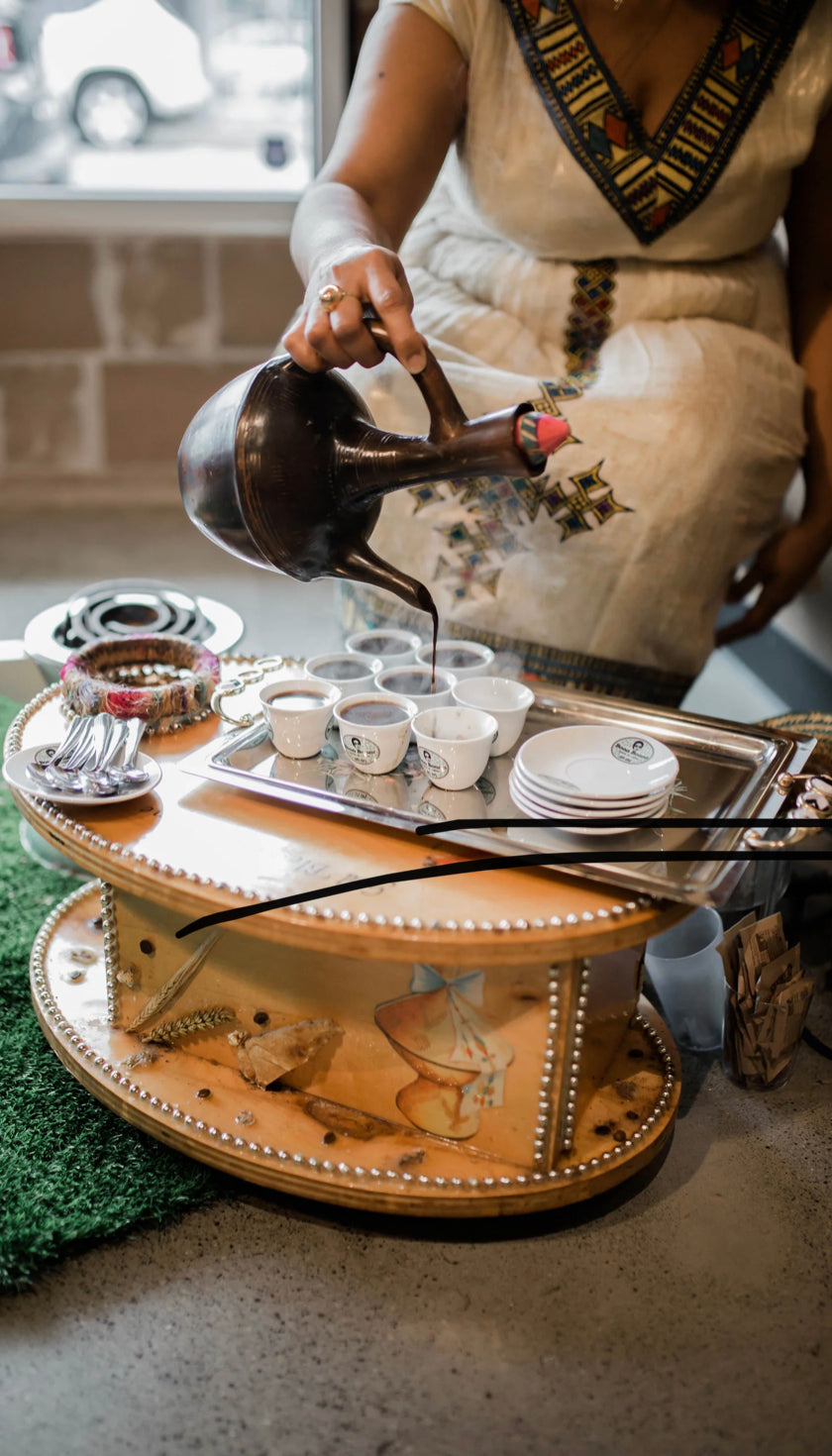
Bereka means “to be blessed” in Amharic and represents both the celebration of life centered around the East African coffee ceremony. This ritual is the fabric of all social gatherings, from celebrations to mourning, and we are proud to honor this tradition at Boon Boona.
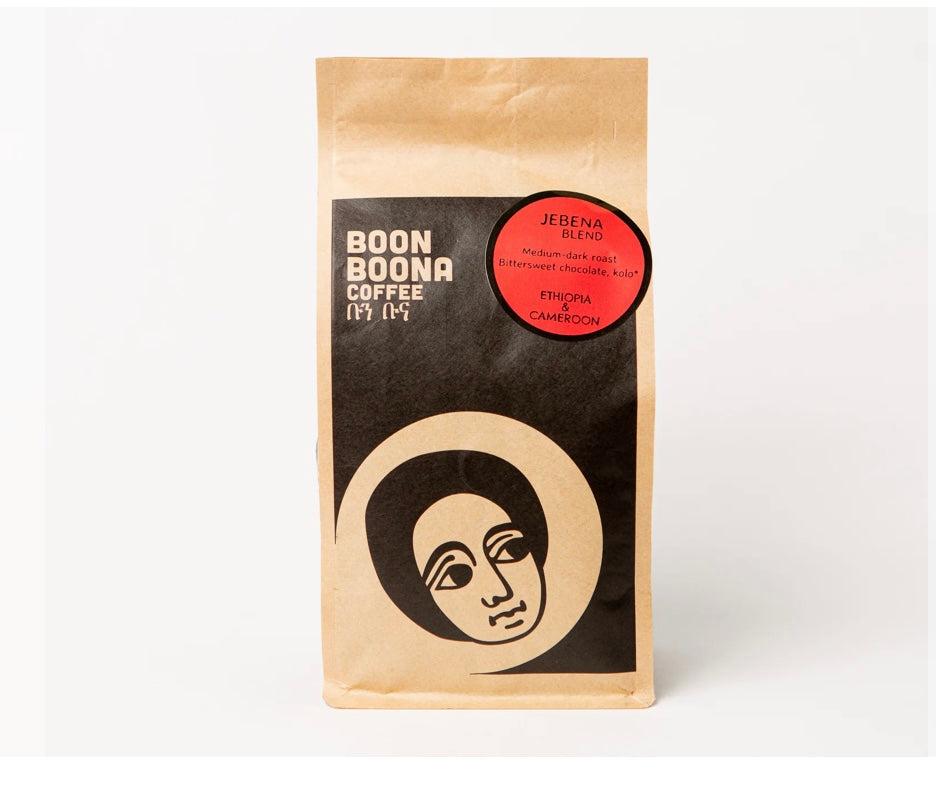
JEBENA (Medium-Dark Blend)
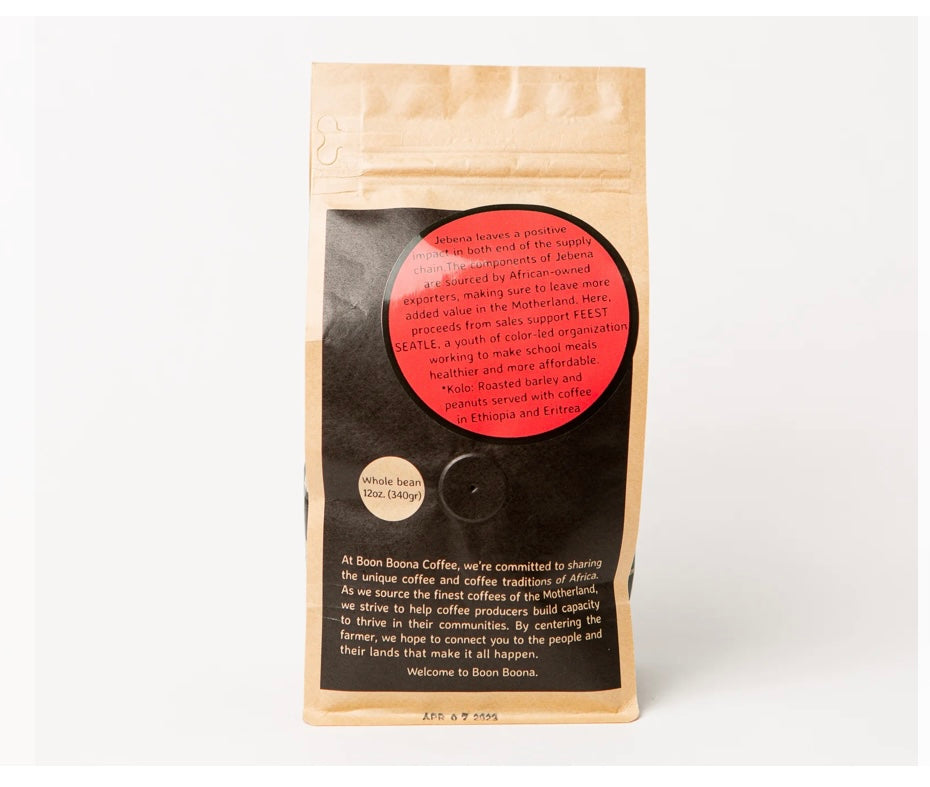
Jebena is a blend of organic Ethiopian & Cameroon beans supporting sustainable agriculture and healthy food systems. Jebena’s roast profile is developed to honor the traditional coffee ceremony of East African communities. It’s customary to take this roast to higher temperatures with longer roast profiles to have a fuller body and bittersweet flavor notes.
In Jebena , you are going to taste flavors reminiscent of dark chocolate, caramel with a lasting sweetness and a full body. Jebena tastes great with batch brew methods, chemex, french press and also on espresso for those looking for bolder flavors in their espresso.
What does “Jebena” mean?
Jebena is a traditional Ethiopian and Eritrean coffee pot made of pottery most commonly used in the traditional coffee ceremony. The coffee ceremony is the way that many East African peoples enjoy their daily coffee. It is the fabric of all social gatherings, from celebrations to mourning, and we are proud to honor this tradition at Boon Boona.
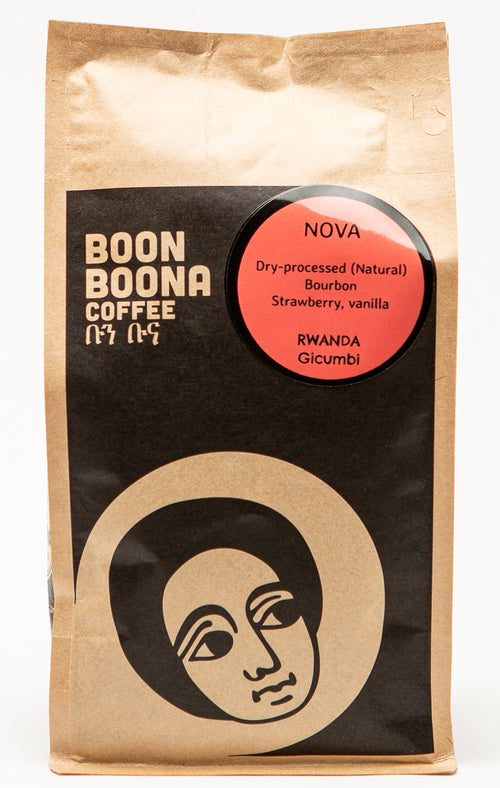
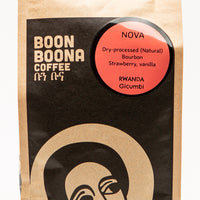
Rwanda Nova
Process: Natural // vanilla-like brown spice, dried strawberry notes with zesty citrus acidity
We are welcoming Nova back for the 3rd season! This women-owned and exported coffee is made of fruity, sweet and dry-processed beans. Brew as a pour-over or espresso for the Nova to come alive.
Agnes Mukamushinja founded Nova Washing Station in 2015 with her husband, Managing Director Felix Hitayezu. Together they used their 25 years of coffee experience to establish a washing station that focuses on Rwandan women coffee growers. Nova Coffee now engages with over 28,000 local smallholders. They completed a curriculum and implemented practices that help organizations they work with to be ethically and socially responsible. Nova Coffee is committed to coffee education, gender equality, and the health of their community.
Ikawa House is exporting Nova for us again. An Africa-based, independent coffee exoprter, Ikawa Hose is co-owned by Laetitia Mukandahiro and Uzziel Habimana. Laetitia entered the world of coffee as a cherry picker. She seized a training opportunity offered by the PEARL project that aimed to elevate the coffee quality in Rwanda in early 2000s. Having been introduced to the quality control and coffee sensory analysis, she was hooked! Uzziel grew up on his family's farm on the coast of Lake Kivu and has worked experience in coffee farming and processing before he joined PEARL project.
Having honed their coffee growing and quality assurance skills for over 30 years combined, Laetitia and Uzziel decided to start their own coffee exporter and to do things differently. Ikawa House is eager to create a sustainable coffee community in Rwanda, and support Rwandan youth in accessing to information and training to find meaningful jobs in coffee. They have an education center in Kigali where they teach and train the youth in coffee growing, sensory analysis and trade according to their own curriculum.
They have also established multiple education I hubs that are located closer to the washing stations they work with. Through these hubs they provide on-going training and seminars to improve the livelihoods of smallholder farmers and the younger generation. Ikawa House is determined to increase awareness of the smallholders and the next generation of coffee people about the specialty coffee supply chain to help them elevate their own well-being and economic security.
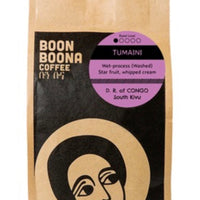
DRC-Tumaini
Process: Fully washed // floral and citrus notes with a hint of chocolate at the finish
- Supplier: Members of the cooperative
- Station Name: Kahisa
- Origin: Democratic Republic of the Congo
- Region: Between Kazuhi-Biega National Park and Lake Kivu shores
- Territory: Kabare
- Province: South Kivu
- Variety: Bourbon
- Elevation: 1,500-2,000 masl
- Harvest Period: March-June
- Process: Fully washed
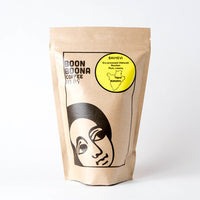
Uganda - Kajere
Process: Yellow Honey
THE COFFEE
On the steep slopes of Mount Elgon, which straddles the Uganda-Kenya border, the Kajere
community of smallholder farmers grows Arabica coffee amidst banana, macadamia, avocados,
and beans. The Ugandan portion of this mountain is home to high-altitude coffee farms and
nourishing volcanic soil, resulting in cups known for their bright, floral character and brown
sugar notes.
Uganda, called the “pearl of Africa,” is now the continent's top coffee exporter, and its beans are
globally celebrated for their quality and diversity. Kajere beans embody all that makes Ugandan
coffee exceptional. Expect juicy green apple, brown sugar, spices, and a subtle macadamia nut
finish.
Mountain Harvest’s Kajere Station, a small and mighty wet processing mill, has won
international acclaim, including first place in the Honey category at Taste of Harvest Africa 2025,
first place in Uganda Taste of Harvest, and second place in auction competitions, including the
Madrid Coffee Festival.
THE PEOPLE
In Uganda, the average age of a coffee farmer is over 64, but the country’s population is
incredibly young, with over 50% being 17 and under. For too long, the coffee industry was
suffering: there wasn’t access to a reliable market, and a poor supply chain undercut farmers’
motivation to establish healthy ecosystems. Many young people were turning their backs on
coffee altogether.
Ugandan-run Mountain Harvest is a social enterprise and coffee production company working to
change that, including within Kajere. It welcomes young people into the coffee industry while
making sure all coffee farmers are paid fair, sustainable wages for their work. Ugandan coffee is
also often less common on menus around the world compared to beans from Ethiopia and
Colombia, and Mountain Harvest also wants to introduce Uganda’s exceptional coffee to more
people.
At Kajere Station, young people are taught quality control, data analysis, agri-finance,
regenerative focus agriculture, and more. Mountain Harvest ensures that education is part of
every aspect, including teaching farmers how to bring cherry and finding talented mentors to
build teams at the washing stations.
THE IMPACT
Mountain Harvest was founded with three main goals to drive prosperity for small Ugandan
coffee farmers: agronomy training, income diversification, and microfinance. Its work is helping
transform the smallholder farmer landscape within Uganda.
Today, Mountain Harvest works alongside more than 3,000 farmers, ensuring they receive
prices that are 10-30% above local market prices for their coffee. With a stable income and
financial literacy education, farmers can better care for their land. Economies as a whole
improve. The farmers are also able to access markets for crops like avocados, macadamia nuts,
and honey, which provide shade and pollination to their coffee plants and additional revenue
streams throughout the year.
Every sip of Kajere helps Mountain Harvest pursue its mission, contributing to healthier,
regenerative ecosystems and financial sustainability and resiliency for farmers.
THE FACTS
PRODUCER
● Supplier: Mountain Harvest
● Station Name: Kajere
● Origin: Eastern Uganda
● Region: Mount Elgon
● Contributing communities: Kajere-Gombe
CULTIVATION
● Variety: Nyasaland, SL-14, SL-28
● Elevation: 1900 - 2000 masl
● Harvest Period: September-February
PROCESS
● Process: Yellow Honey
ROAST/CUP
• Tasting Notes: Granny Smith apple, brown sugar, macadamia nut, balanced, clean
• Brew Methods: Pourover, drip, espresso